Exploring the Impact of Physical AI on Autonomous Systems and Real-World Interactions
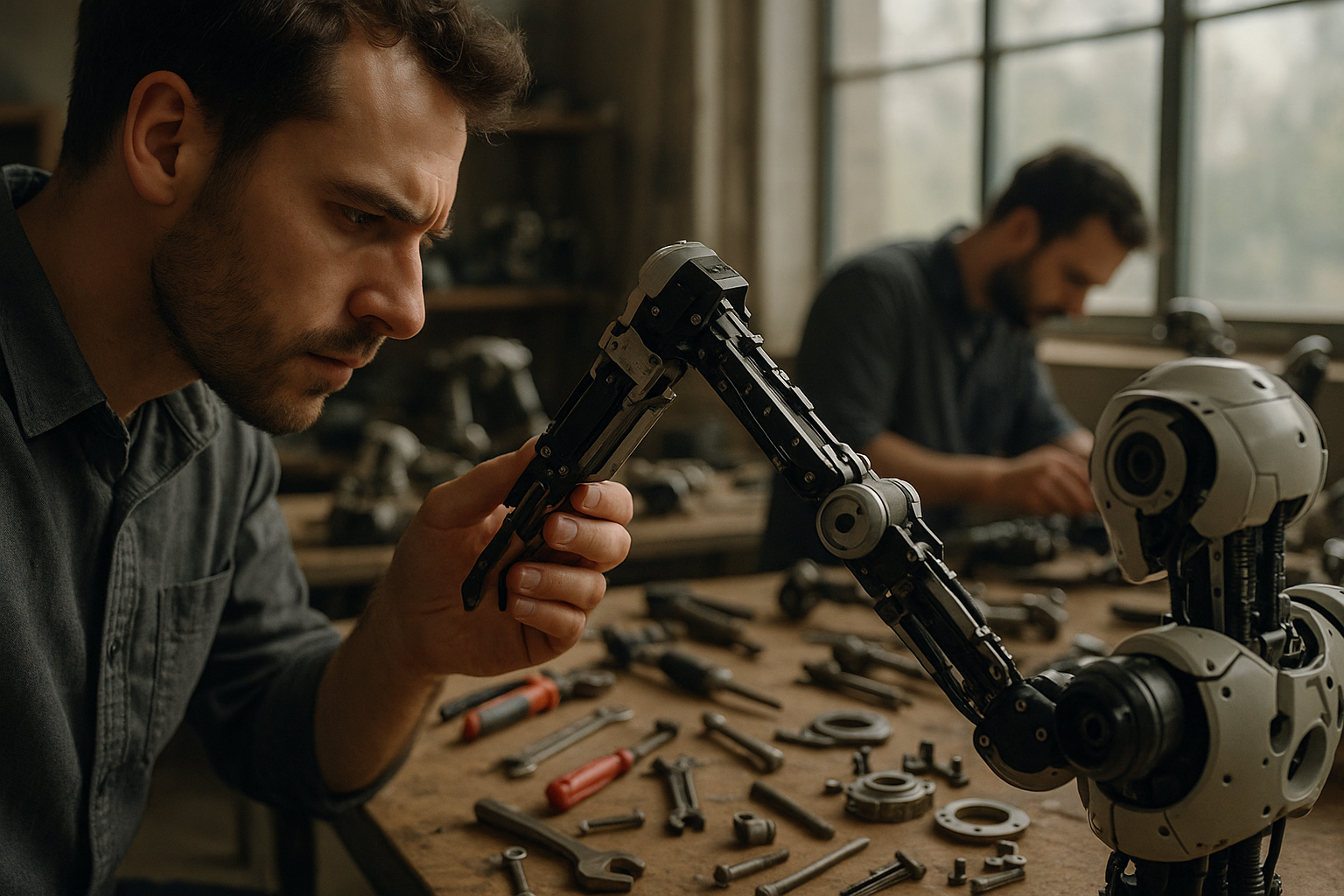
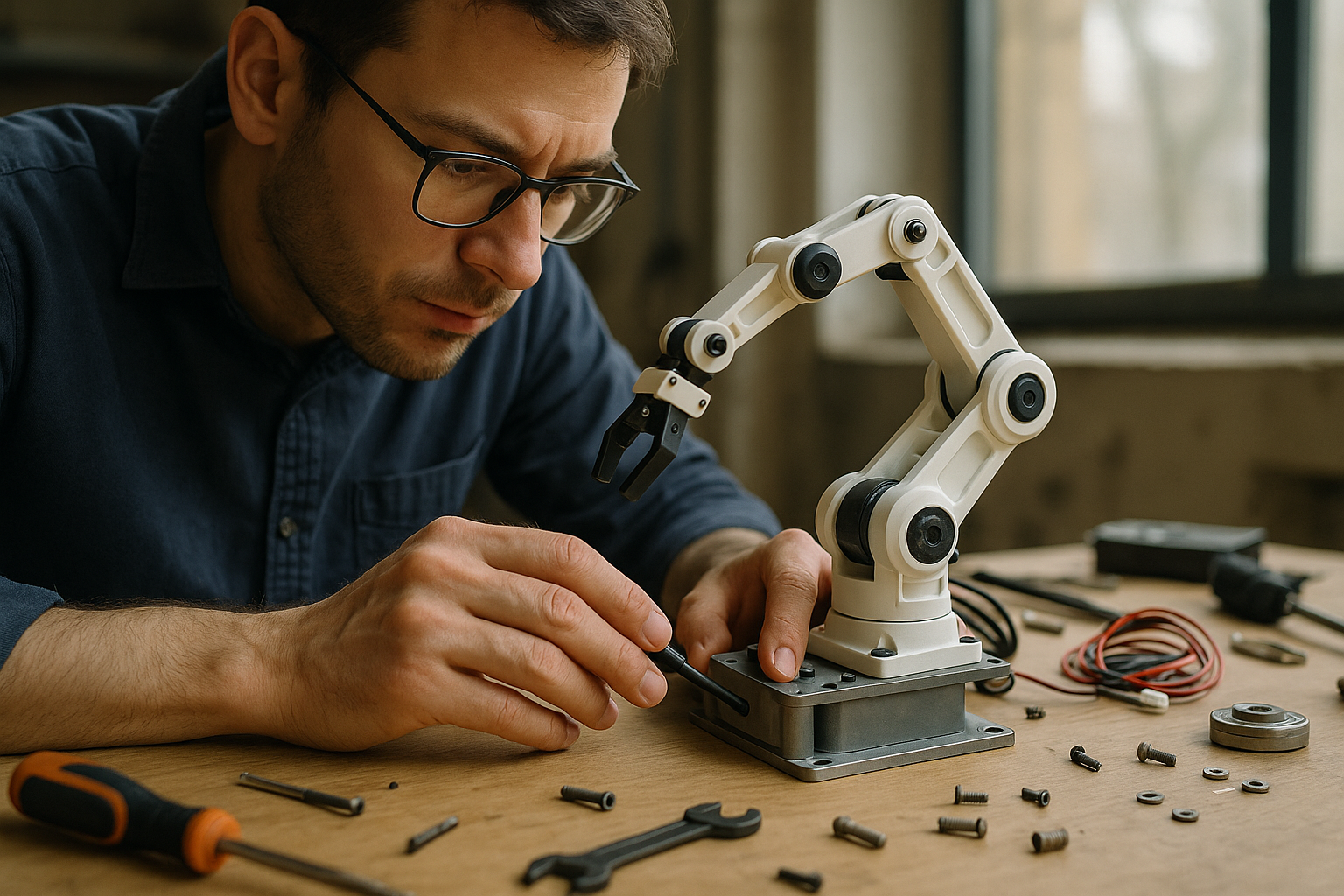
Physical AI is pushing autonomous systems beyond scripted automation by combining perception, planning, and action so smart machines can operate amid uncertainty. Unlike traditional artificial intelligence that stays in software, AI in robotics must handle friction, clutter, and safety—making physical AI a catalyst for robotics technology advancements and the future of robotics.
This shift matters because it changes what robot technology can reliably deliver in production and public spaces. For manufacturers, intelligent automation means industrial robots that adapt to part variation, detect anomalies, and re-route tasks with less reprogramming—reducing downtime and improving OEE. For service robots, physical AI enables better navigation, grasping, and robot-human interaction in dynamic environments such as hospitals, hotels, and retail.
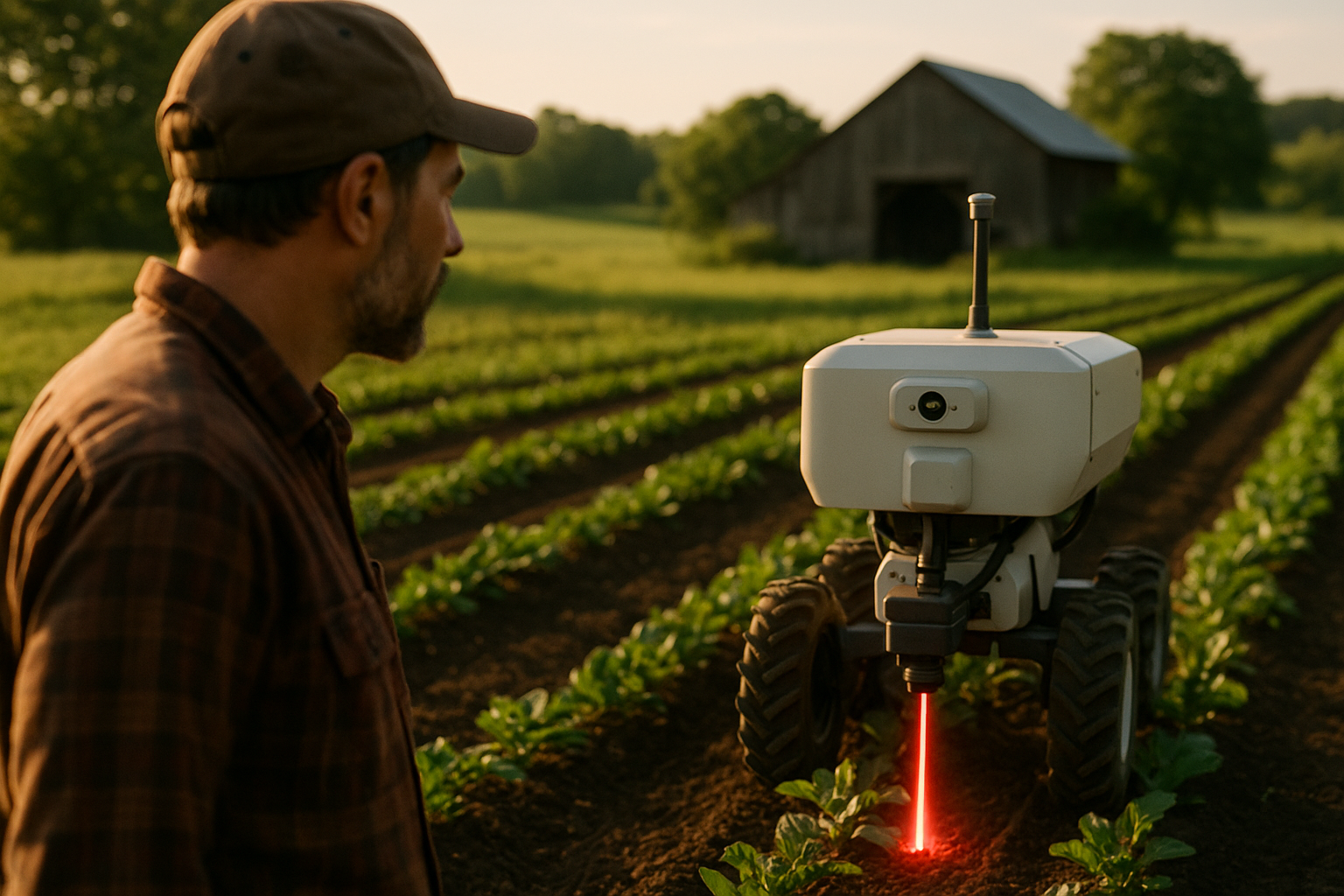
Real-world interactions: autonomous robots can interpret scenes, predict motion, and act safely around people.
Business impact: smart automation expands addressable tasks, accelerating ROI and new service models.
Innovation path: advanced robotics will hinge on data, simulation, and deployment feedback loops for AI-driven robots.
As robotics innovation accelerates, leaders will invest in validation, safety cases, and workforce upskilling to scale automation responsibly.